

January 22, 2026
What Foods Support Memory Health in Older Adults?
Eating well supports your body at every age. Nutrition can also play a role in supporting memory and brain health. While no single food can prevent memory changes, making thoughtful choices can support overall wellness and energy levels. At assisted living communities under the Bethesda Senior Living Communities umbrella, mealtime is viewed as an opportunity to support wellness, enjoyment and connection through balanced, nourishing foods.
Why Nutrition Matters for Brain Health
Your brain needs a steady supply of nutrients to function well. Certain vitamins, healthy fats and antioxidants can help support blood flow, reduce inflammation and protect brain cells. What you eat today can influence how you feel tomorrow. A balanced approach to nutrition supports your memory, mood, energy levels and overall quality of life.
Fatty Fish and Omega-3 Fatty Acids
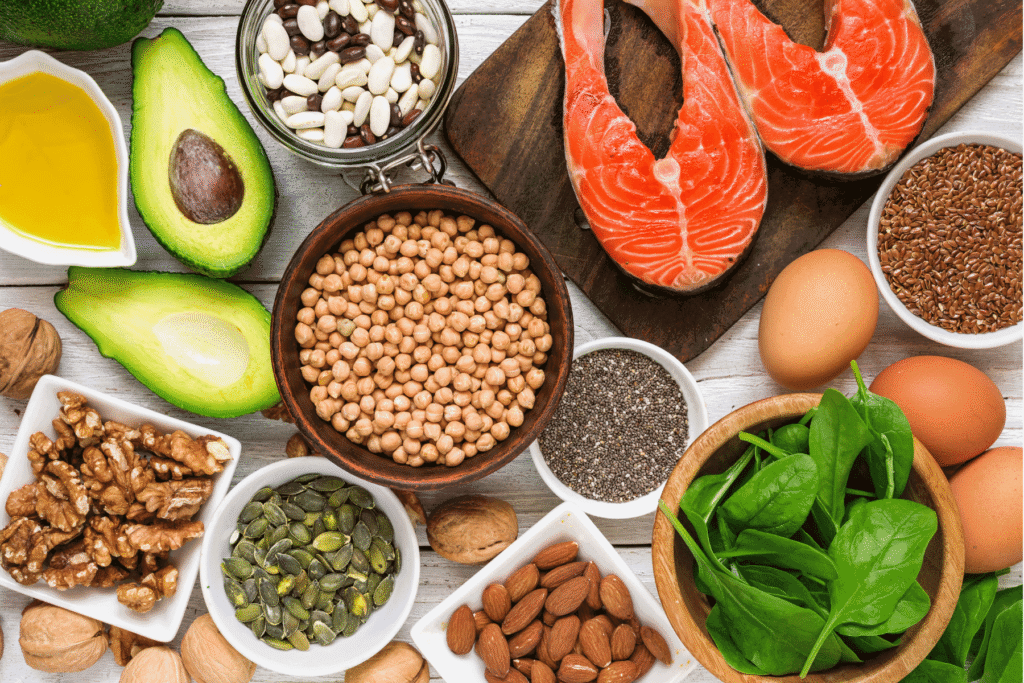
Fatty fish such as salmon, tuna and sardines are rich in omega-3 fatty acids. These healthy fats support brain structure and function and may help support memory and thinking skills over time. Enjoying fish two to three times per week helps provide steady benefits. For those who prefer variety, rotating between different types of fish keeps meals interesting while still providing important nutrients.
Colorful Fruits and Vegetables
Brightly colored fruits and vegetables contain antioxidants that help protect cells from stress. Antioxidants support overall brain health and may help with memory and focus. Including a variety of colors on the plate is an easy way to add these benefits to daily meals. Fresh, frozen and canned options all provide valuable nutrients. Adding vegetables to breakfast, lunch and dinner ensures consistent nutrition throughout the day.
Whole Grains for Steady Energy
Whole grains, such as oats, brown rice and whole wheat bread, provide steady energy by supporting healthy blood sugar levels. The brain depends on consistent energy to stay alert and focused. Choosing whole grains instead of refined grains supports heart and brain health. Whole grain options at breakfast, such as oatmeal or whole wheat toast, help start the day with sustained energy. Quinoa and barley also offer variety while delivering similar nutritional benefits.
Nuts and Seeds
Nuts and seeds offer healthy fats, protein and vitamin E. Almonds, walnuts, sunflower seeds and flaxseeds are easy additions to meals or snacks. Vitamin E has been linked to brain health in aging adults and supports overall wellness when included as part of a balanced diet. A small handful of nuts makes a satisfying snack between meals. Sprinkling seeds over salads, yogurt or oatmeal adds texture and nutrition without much effort.
Lean Proteins
Protein supports muscle health and also plays a role in brain function. Foods such as poultry, eggs, beans and yogurt provide important amino acids. Including lean protein at meals helps maintain strength and supports daily activity in assisted living communities. Protein at breakfast can help maintain energy throughout the morning. Options like scrambled eggs, Greek yogurt or a smoothie provide flexibility based on personal preferences.
Herbs and Spices
Herbs and spices do more than add flavor. Turmeric, cinnamon and rosemary contain compounds that may support brain health. Using herbs and spices can also reduce the need for added salt while keeping meals enjoyable and satisfying. Fresh or dried herbs work equally well, and experimenting with new seasonings can make familiar dishes feel exciting.
Hydration Supports Focus
Staying hydrated is essential for concentration and memory. Even mild dehydration can affect attention and clarity. Drinking water regularly and enjoying foods with high water content, such as soups and fruits, supports brain function throughout the day. Keeping a water bottle nearby serves as a helpful reminder to sip throughout the day.
Supporting Wellness Through Thoughtful Nutrition
Healthy eating supports more than memory. It contributes to energy, social connection and overall quality of life. At assisted living communities under the Bethesda Senior Living Communities umbrella, residents enjoy balanced meals designed to support wellness while still celebrating flavor and enjoyment.
Nutrition is one part of a holistic approach to brain health that also includes physical activity, social engagement and mental stimulation. Together, these elements create a foundation for thriving in every season of life.