

June 28, 2026
Combating Loneliness in Seniors: Finding Connection and Community in Senior Living
Senior loneliness is a serious health concern, but it doesn't have to be permanent. Discover causes, health risks, activities for isolated seniors, and how a senior living community can help.
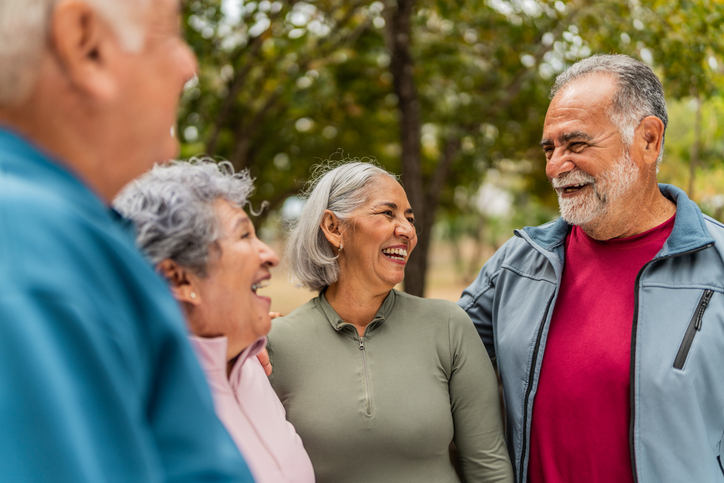
Quick Summary: Senior loneliness is more than a passing feeling; it’s a serious health concern that affects millions of older adults. This post explores the causes and real health impacts of social isolation in seniors, practical activities for isolated seniors to stay engaged, and how life in a senior living community can offer the built-in connection, purpose, and belonging that makes all the difference.
Loneliness doesn’t discriminate. It can settle in quietly—after a spouse passes, when driving becomes difficult, and when old routines fade and the house grows a little too quiet. For millions of older adults across the country, senior loneliness is not just an emotional struggle. It’s a daily reality with far-reaching consequences for both mind and body, and at Bethesda Senior Living, we understand these consequences.
According to the CDC, social isolation and loneliness can lead to serious public health risks for older adults, including an increased risk of dementia and premature death. And the numbers are sobering: in 2023, one in three older adults aged 50 to 80 reported feeling a lack of companionship.
But here’s what’s equally important to understand: loneliness among seniors is neither inevitable nor permanent. With the right environment, relationships, and sense of purpose, older adults can—and do—thrive socially. Let’s explore the causes of senior isolation, its health impacts, meaningful ways to stay connected, and how a senior living community can be one of the most powerful antidotes to loneliness.
Understanding Senior Loneliness: Why It Happens
To effectively address loneliness in older adults, it helps to first understand why it develops in the first place. Social isolation in seniors rarely stems from one single cause. More often, it’s the accumulation of several life changes that, over time, quietly shrink a person’s social world.
Common contributing factors include:
- Retirement: Leaving the workforce removes a major built-in source of daily social interaction and routine.
- Loss of a Spouse or Close Friends: Grief and bereavement can leave significant voids that are difficult to fill.
- Reduced Mobility or Chronic Health Conditions: Physical limitations can make it harder to get out, drive, or participate in activities.
- Distance From Family: Adult children often live hours away, limiting regular in-person connection.
- Hearing or Vision Loss: Sensory changes can make conversation more difficult and lead to withdrawal.
- Leaving a Longtime Home: Moving, downsizing, or relocating can sever ties to neighbors and community.
Seniors can be especially prone to feeling isolated because several factors can cause a shrinking social circle, including retirement, the loss of workplace camaraderie, or health issues that prevent them from being as active and involved as they once were.
The Real Health Risks of Social Isolation in Seniors
Seniors and loneliness go hand in hand more often than most people realize, and the health stakes are high. This is not simply a matter of mood or preference. The research is clear and consistent: chronic loneliness is a genuine medical concern.
Loneliness and social isolation increase the risk of dementia by 31%. Other health risks include a 32% increased risk of stroke, a 25% to 30% increased risk of heart disease, and a 26% increased risk of premature mortality. The health effects of loneliness are considered equivalent to smoking 15 cigarettes each day.
The mental health toll is equally significant. Isolation can heighten the risk of depression, anxiety, and cognitive decline. One study tracking more than 5,000 elderly Americans over nine years found that those experiencing objectively measured social isolation faced a nearly 30% greater risk of developing dementia.
These aren’t statistics to alarm—they’re statistics to motivate. Because understanding the risks of senior isolation is the first step toward doing something meaningful about it.
Activities for Isolated Seniors: Building Connection One Step at a Time
If a loved one is experiencing social isolation, the path forward doesn’t have to be dramatic. Small, consistent steps toward engagement can have a meaningful impact on well-being. Here are some of the most effective activities for isolated seniors.
Social and Recreational Activities
- Group fitness classes such as chair yoga, tai chi, or water aerobics
- Card games, chess, or board games—both competitive and cooperative
- Arts and crafts, including painting, quilting, pottery, or photography
- Book clubs or discussion groups centered on shared reading or current events
- Cooking or baking classes that combine skill-building with socializing
- Gardening programs—tending to plants provides purpose, routine, and, often, community
Purpose-Driven Engagement
- Volunteering—mentoring, literacy programs, or helping at local organizations
- Intergenerational programs—connecting seniors with children or young adults
- Spiritual and faith communities—worship services, prayer groups, and faith-based fellowship
Technology-Assisted Connection
- Video calls with family and friends via FaceTime or Zoom
- Online communities built around hobbies and shared interests
- Digital photo sharing to stay involved in family milestones from a distance
A 2022 study found that seniors with moderate to high physical activity levels had a 15% to 30% lower likelihood of experiencing social isolation—a reminder that staying active and staying connected are often two sides of the same coin.
Faith as a Source of Connection and Comfort
For many older adults, faith is not just a personal practice; it’s a cornerstone of community. Spiritual life offers a consistent source of belonging, meaning, and relationships that can be especially powerful in combating loneliness in seniors.
Whether through weekly worship services, prayer groups, Bible studies, or faith-based volunteer work, a shared spiritual life creates natural opportunities for authentic connection. Many seniors find that their faith community provides not only companionship but also a sense of purpose that transcends daily circumstances, acting as a reminder that they are known, valued, and not alone.
For those transitioning into senior living, communities that integrate faith into everyday life can offer a particularly profound sense of home.
How a Senior Living Community Addresses Loneliness
Perhaps the most transformative solution for seniors and social isolation is also one of the most overlooked: the senior living community itself. Far from the outdated image of institutional care, today’s senior living communities are purpose-built social environments—vibrant, active, and full of opportunity for genuine connection.
The very essence of senior living communities lies in promoting a sense of belonging and strengthening social ties. Here’s how that translates into daily life.
Built-In Social Infrastructure
Senior living spaces encourage interaction through shared lounges, dining areas, and activity rooms. Community is built on purpose. These aren’t incidental amenities; they’re intentional design choices meant to make connection easy, natural, and daily.
Shared Mealtimes
Senior living changes the dining experience through shared meals. Meals become social moments filled with conversation and connection. Residents often build friendships simply by sitting together each day. These repeated interactions help create comfort and a sense of belonging.
Daily Programming and Activities
Senior living communities offer calendars full of structured activities that give residents reasons to leave their apartments and engage with others. From fitness classes and creative arts to cultural outings and community events, there’s always something to look forward to and someone to enjoy it with.
Peer Connection and Understanding
Living among peers offers emotional support that family alone can’t always provide. Seniors share stories, experiences, and understanding with people who relate to their stage of life. These peer bonds help residents feel understood and valued.
Staff Who Notice and Care
Staff are trained to recognize signs of loneliness and encourage participation. They might introduce a resident to others who seem to have similar interests and suggest activities for them to do together, or organize smaller, more intimate get-togethers that are less intimidating than larger events.
Family Connections Stay Strong
While forming new relationships is important, senior living communities also foster established relationships by encouraging regular visits from family and friends, which help keep those connections strong.
Signs That a Senior May Be Struggling With Loneliness
Family members and caregivers are often the first to notice the signs of senior isolation. Watch for these indicators:
- Withdrawing from previously enjoyed hobbies or activities
- Expressing feelings of sadness, hopelessness, or purposelessness
- A noticeable decline in personal hygiene or self-care
- Sleeping more than usual or changes in appetite
- Increased reliance on television as primary company
- Frequent mentions of feeling “forgotten” or “left behind”
- Cognitive changes such as forgetfulness or confusion
Naming the concern—gently and lovingly—is often the first step toward addressing it.
When to Consider a Senior Living Community
If loneliness has become a persistent feature of daily life, it may be time to explore whether a senior living community could offer the environment your loved one needs to truly thrive.
This isn’t a step toward less independence; for many seniors, it’s actually the opposite. Moving into a vibrant community often means more daily activity, more social engagement, and more moments of genuine joy than living alone at home allows.
A thoughtfully chosen senior living community can provide exactly the kind of connection, purpose, and belonging that makes aging not just manageable, but meaningful.
If you’re ready to explore a community where connection, purpose, and belonging are woven into everyday life, Bethesda Senior Living Communities is here to help. Our communities are designed from the ground up to help older adults thrive—socially, spiritually, and personally. We’d love to welcome you or your loved one in for a visit and show you firsthand what life at Bethesda looks and feels like.
Frequently Asked Questions
What causes loneliness in seniors?
Loneliness in seniors typically develops from a combination of life changes that reduce regular social contact, including retirement, the loss of a spouse or close friends, reduced mobility, distance from family, and leaving a longtime home. It’s rarely one cause alone; more often it’s a gradual shrinking of the social world that occurs over time.
What are the health risks of social isolation in seniors?
The health risks associated with seniors and social isolation are significant and well-documented. They include a 50% increased risk of dementia, a 32% increased risk of stroke, a 29% increased risk of heart disease, and a higher likelihood of depression, anxiety, and premature death. Researchers have compared the health impact of chronic loneliness to smoking 15 cigarettes a day.
What activities help isolated seniors stay connected?
Effective activities for isolated seniors include group exercise classes, arts and crafts programs, book clubs, gardening, volunteer work, faith community participation, and intergenerational programs. Technology tools like video calling also help seniors maintain connections with distant family members. The most effective activities tend to combine routine, purpose, and genuine social interaction.
How does a senior living community help with loneliness?
A senior living community addresses loneliness by providing a built-in social environment—shared dining, daily programming, common spaces, and a community of peers at a similar life stage. Staff are trained to recognize signs of isolation and actively encourage participation. This consistent, accessible social infrastructure makes connection a natural part of everyday life rather than something that requires significant effort or planning.
Is moving to senior living good for mental health?
For many older adults, yes, especially those experiencing social isolation at home. The structured social environment of a senior living community often leads to improved mood, reduced feelings of loneliness, increased daily engagement, and greater overall sense of purpose and well-being. Research consistently links social connection with better mental and physical health outcomes in older adults.
How can families help a lonely senior?
Families can help by staying in regular contact through visits, calls, and video chats; listening without minimizing the feelings being expressed; helping a loved one find activities aligned with their interests; connecting them with faith communities or volunteer opportunities; and, when isolation has become persistent, exploring senior living options that offer a more socially-rich environment.