


August 8, 2022
Ways to Grow Things in Your Assisted Living Apartment
Studies have indicated that growing things is good for human health. That's true for older adults, too; one study published in a medical journal found that seniors who gardened reported overall higher self-esteem and social engagement than those who didn't.
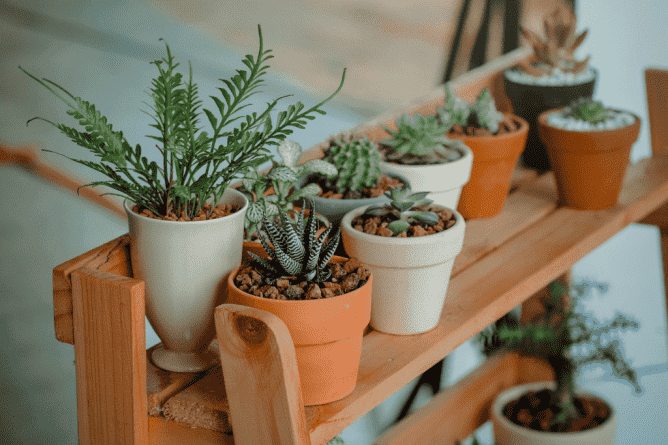
Studies have indicated that growing things is good for human health. That’s true for older adults, too; one study published in a medical journal found that seniors who gardened reported overall higher self-esteem and social engagement than those who didn’t. Older adults who gardened also tended to get more exercise and movement and remain productive in other ways.
But what happens if you decide to move into an independent living or assisted living community? You might give up a larger yard with plenty of space for a garden for the vibrant social atmosphere, security and convenience of the community — but that doesn’t mean you have to give up gardening.
Many assisted living communities have shared garden spaces where residents can grow flowers, vegetables and other plants. And if you want your very own garden space, container and indoor gardening offer some choices.
Can You Grow Things in an Independent Living or Assisted Living Apartment?
Yes, in most cases, you can grow things in your assisted living apartment. If you have access to a private or shared patio or balcony area off of your apartment, you may also be able to container garden in that area.
Most assisted living communities do allow residents to grow small plants in their apartments, but it’s always a good idea to reach out to your community staff to find out if there are any restrictions before you get started.
What Are Some Best Plant Choices for Small Indoor Spaces?
Almost any plant can be grown in a container in an indoor environment or small patio area — even small trees. But you may want to start with some plants that are best suited to these environments and easiest to grow.
Herbs are one of the easiest plants to cultivate in a container. While they won’t grow as large as they would in a garden or the wild, plants like lavender, basil, mint, thyme and parsley will all grow well in small pots or window gardens. These are a great option if you like to make your own teas or wellness poultices or prefer fresh-picked herbs in your food.
Some produce cultivates well in containers. Tomatoes, salad greens and lettuces, broccoli and strawberries can all be grown in containers. When you grow these plants in container gardens, you’re also working toward fresh, healthy snacks for yourself and others.
Of course, you can also grow plenty of green plants and flowers simply to enjoy their beauty. Hydrangeas, succulents, English ivy, peace lilies and air plants are just a few possibilities to consider.
Important Considerations When Container Gardening in an Assisted Living Community
Before you gather supplies and plant anything, it’s a good idea to consider the following factors. They’ll help you determine what you can grow in your space.
- Is there ample sunlight? Consider the placement of the windows in your assisted living apartment or whether you have access to a patio or deck. Different plants require varying degrees of sunlight, so how much direct sunlight your space gets may define what you can grow.
- Can you easily water the plants? Plants growing indoors or in containers on a covered deck may need more watering than plants in an outdoor garden because they don’t get access to water in the ground or rain. Situate plants so they’re easy to water, and consider using plant watering globes and spikes to reduce how much manual labor is involved in watering plants.
- Can the area you chose hold the weight? Even smaller potted plants have some heft to them, especially when you water them. The combination of plant, soil, water and container can weigh more than you think. Ensure you consider weight when situating your plants. If you’re container gardening on a deck, find out what the weight limits are for the deck so you can keep things in a safe range. When placing indoor plants on tables or stands, opt for sturdy items made from wood or metal. And if you hang containers for gardening, such as on or outside a windowsill, ensure someone tests it to make sure it’s safe.
- Are the plants safe for your apartment? Start with plants you know about, and read up on any risks associated with plants that are new to you. Always ensure you choose plants that are safe to grow indoors. If you have a dog or cat, make sure the plants are safe for pets. Many pets play with or chew on indoor plants, and some plants can be hazardous to their health.
If you have a green thumb, love gardening or just always wanted to learn how to grow things, now’s a great time. Take time to read up on indoor or container gardening, talk to assisted living staff and other residents for tips, and start small with a few potted plants.

