


March 5, 2024
Recovering After an Injury
For seniors, a serious injury can be a life-changing event. Recovery is possible, though, thanks to the body’s ability to heal. Taking good care of yourself after an injury can support the recovery process. In this guide, we’ll share tips on what you can do to help yourself while your body mends.
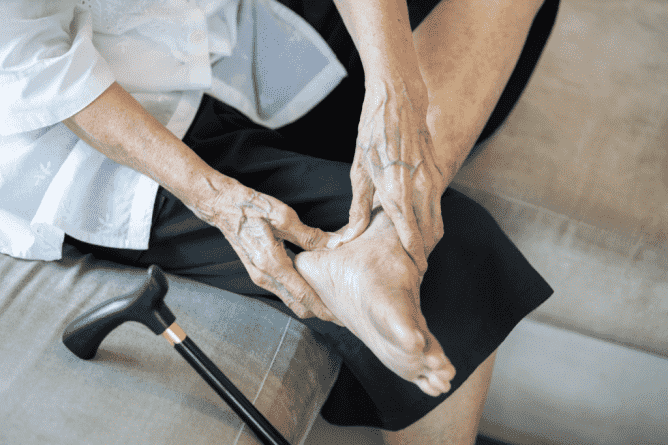
Don’t Hesitate to Ask for Help
Many seniors worry about being a burden to their loved ones, but after an injury, it’s important to reach out to others for help when you need it. Your friends and family will likely ask what they can do to assist you, so don’t hesitate to take them up on their offers.
Having someone help you with chores, errands and meal preparation can give you more time to rest while you recover. If you’re struggling to perform daily living tasks such as dressing and bathing, consider moving in with a loved one or a short-term stay in an assisted living community like Bethesda Senior Living Communities until you recover.
Follow the RICE Method
For minor injuries like muscle sprains and strains, health care professionals often recommend the RICE method. RICE stands for:
- Rest: Not using the affected area as much as possible for at least 24 to 48 hours
- Ice: Applying ice to the affected area for 20 minutes at a time roughly once every 4 hours to help reduce swelling and pain
- Compression: Wrapping the affected area with an elastic bandage for 48 to 72 hours to help control swelling
- Elevation: Keeping the affected area above heart level to help move fluids away from the injury site
Use Pain Relievers Safely
Over-the-counter pain relievers can help reduce discomfort following an injury, but it’s important that you select the right one based on your health history.
Like all medications, oral pain relievers that are available without a doctor’s prescription can pose a risk for side effects in some people. For example, acetaminophen may not be suitable for people with liver problems, while nonsteroidal anti-inflammatory drugs (NSAIDs) like ibuprofen and naproxen may be unsafe for those with heart disease, stomach problems, kidney disorders and other health concerns.
Before taking any over-the-counter medication, consult your health care provider, and follow the dosage guidelines printed on the bottle unless a medical professional gives you other instructions.
Consider Physical Therapy
Physical therapy is a type of medical intervention that involves performing exercises under the supervision of a licensed physical therapist. After an injury, physical therapy may help support the healing process, let you regain strength and mobility in the affected area and potentially reduce the need for pain medications.
Your health care provider can help you determine if physical therapy is right for you. If so, the American Physical Therapy Association has a handy tool that can help you find licensed therapists in your area.
Talk About Your Feelings
An injury can affect your mind as much as your body. After a fall or other accident, you may experience feelings of fear and worry that you may become injured again in the future. You may also feel sad or frustrated about your current limitations. If an injury is keeping you from enjoying social activities and hobbies, you could develop feelings of loneliness or boredom.
As a result, supporting your mental health is important during post-injury recovery. Share your feelings and thoughts with people you trust, and consider journaling to work through your emotions. You may also want to make an appointment with a mental health professional, especially if you’re experiencing symptoms of anxiety or depression. The search tool on the Psychology Today website can help you connect with mental health practitioners based in your area.
Be Patient With Yourself
When you’re recovering from an injury, you’re naturally eager to resume all your activities, but it’s important that you give yourself enough time to get better. The healing process slows down with age due to changes in cells and other factors, so it may take you longer to recover now. Be patient with yourself as your body works to heal. Celebrating small improvements you notice along the way can help you maintain a positive attitude while you’re on the mend.
Adhere to Expert Advice
Most importantly, follow whatever guidelines and advice your health care provider gives you following an injury. Sticking to their instructions will help ensure you don’t resume normal activities too soon and set you up for the swiftest of recoveries. When you have questions or concerns during the recovery period, don’t hesitate to reach out to your health care provider, and keep all follow-up appointments to monitor your progress.
Take Steps to Prevent Future Injuries
Making changes to your lifestyle and environment during the recovery period can reduce your risk of injuries in the future. To lower the likelihood of falls, follow these tips:
- Exercise regularly, incorporating balance activities like yoga or tai chi into your workout routine.
- Make modifications to your home, such as installing grab bars in the shower or by the toilet.
- Get your vision and hearing checked regularly.
- Let your health care provider know if any medications you’re taking are causing dizziness or light-headedness.
- Take your time when moving from standing to sitting and vice versa.
Use mobility aids as needed to support yourself while walking.

